
Sign in
If you do not have an account, click Create AccountCreate Account
Some items are no longer available. Your cart has been updated.
This discount code cannot be used in conjunction with other promotional or discounted offer.
For decades, soccer in North America has been described as a “sleeping giant.” The 2026 FIFA World Cup—hosted jointly by the United States, Canada, and Mexico—has the power to finally wake that giant for good.
Beyond the 104 matches, the 16 host cities, and the millions of fans flooding stadiums, this tournament is poised to leave a profound and lasting mark on the continent. From economic windfalls and infrastructure overhauls to a seismic cultural shift in how North Americans view the beautiful game, the 2026 World Cup is about more than just crowning a champion—it’s about transforming a region’s sporting identity.
Here’s a deep dive into the economic and cultural impact we can expect from the largest World Cup in history.
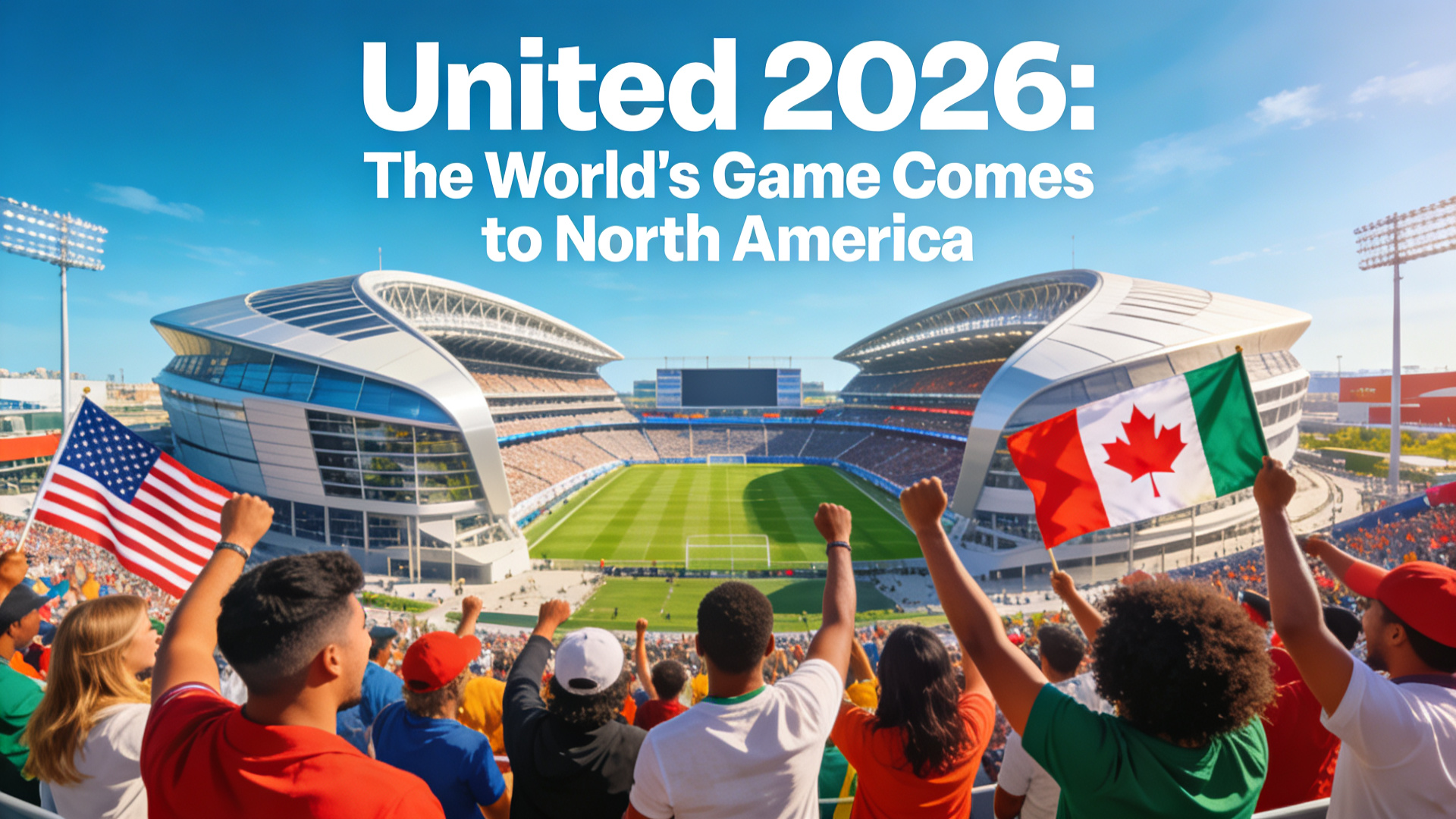
Hosting a World Cup is an economic marathon, not a sprint. The 2026 edition, with its 48‑team format and three‑nation footprint, is projected to generate unprecedented financial activity.
According to FIFA’s own estimates, the tournament is expected to attract over 5 million visitors to North America—far surpassing the 3.3 million who attended the 2018 World Cup in Russia. These fans will fill hotels, restaurants, bars, and attractions across 16 metropolitan areas.
Spending: The U.S. Travel Association projects that international visitors alone will spend upwards of $5 billion during the tournament, with total economic output (including domestic travel) potentially exceeding $10 billion.
Job Creation: Hundreds of thousands of temporary and permanent jobs will be created—from hospitality and security to construction and transportation services.
Host cities are using the World Cup as a catalyst for long‑overdue upgrades. While most stadiums already exist (thanks to NFL and CFL facilities), the tournament is spurring investments in:
Public transit: Los Angeles, New York/New Jersey, and Vancouver are fast‑tracking rail and airport expansions.
Training facilities: Communities across the three nations are building new soccer‑specific complexes that will serve youth and professional teams for decades.
Broadband and technology: To meet FIFA’s broadcasting and connectivity standards, cities are upgrading digital infrastructure—benefiting residents long after the final whistle.
Global brands are already lining up to align themselves with North American soccer. Sponsors like Adidas, Coca‑Cola, and Visa are expected to launch their largest‑ever North American marketing campaigns around the tournament. This influx of corporate spending will ripple through media, events, and local businesses.
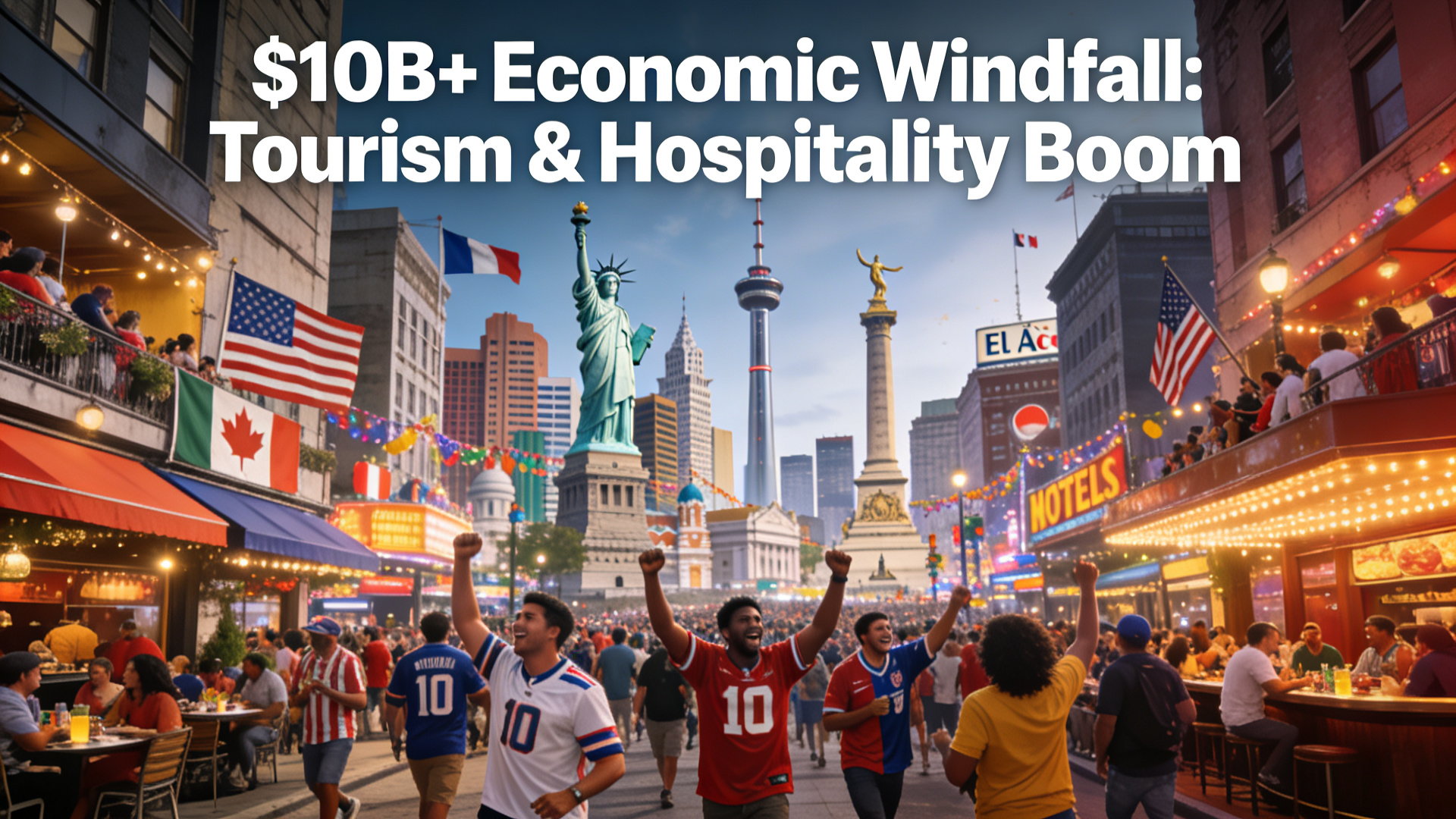
While the economic numbers are impressive, the cultural legacy of 2026 may prove even more significant. For a region where soccer has often played second (or third) fiddle to other sports, hosting the world’s biggest sporting event could be the tipping point.
The U.S. has long been labeled as the “sleeping giant” of soccer. Despite hosting the 1994 World Cup—which sparked the creation of MLS—soccer has struggled to compete with the NFL, NBA, and college sports in the cultural hierarchy.
2026 will be different. With matches spread across 11 U.S. cities, from the Rose Bowl to MetLife Stadium, the tournament will be impossible to ignore. Expect:
Record‑breaking television ratings: With matches airing in prime time across American time zones, networks like Fox and Telemundo are preparing for viewership numbers that could rival the Super Bowl.
Increased participation: Youth soccer registration typically spikes after major international tournaments. A home World Cup will likely supercharge that trend, especially in underserved communities.
Elevated status for MLS and NWSL: Playing in state‑of‑the‑art stadiums with a new generation of fans will boost the visibility and credibility of domestic leagues.
For Canada, 2026 represents a coming‑out party. The country is co‑hosting its first‑ever men’s World Cup, just four years after its men’s team qualified for the first time in 36 years (in 2022). With matches in Toronto and Vancouver, Canadian fans—who have shown fervent support for the women’s national team and MLS clubs—will finally get to experience the men’s World Cup on home soil.
The long‑term impact could be transformative:
Youth development: The Canadian Premier League and academy systems will likely see increased investment.
National identity: A successful home tournament would cement soccer as a core part of Canada’s sporting culture, alongside hockey and basketball.
Mexico is no stranger to the World Cup, having hosted twice before (1970 and 1986). Yet 2026 offers a unique opportunity to reinvigorate the sport in a nation where soccer is already a religion. The Estadio Azteca in Mexico City will become the first stadium to host World Cup matches in three separate tournaments—a source of immense pride.
Beyond nostalgia, the tournament will:
Boost Liga MX visibility: The Mexican league, already one of the most popular in the Americas, will gain additional exposure through FIFA’s global platform.
Stimulate regional economies: Monterrey and Guadalajara, along with Mexico City, will see infrastructure and tourism investments that extend beyond the tournament.
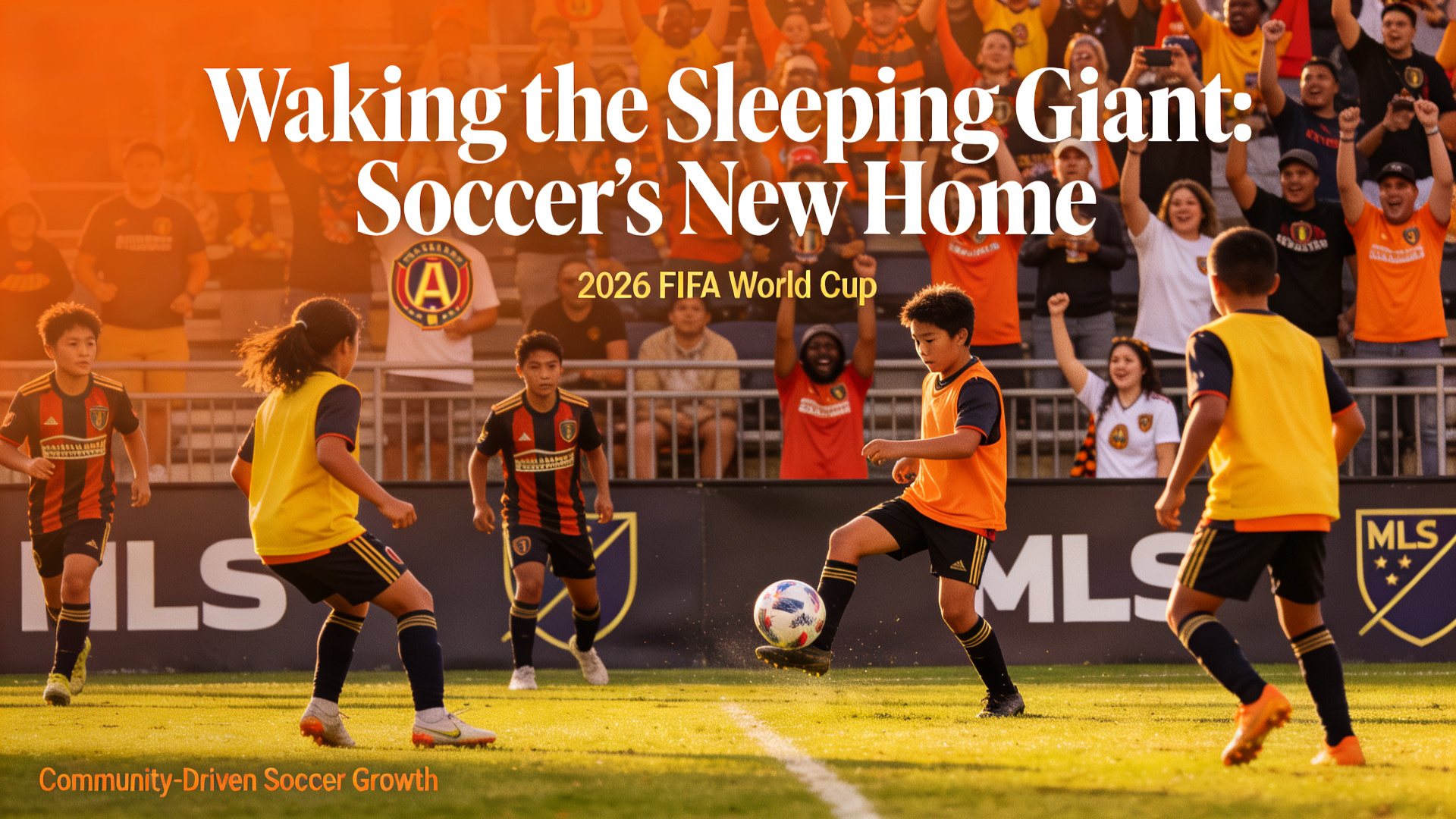
The 2026 World Cup also carries the potential for meaningful social impact, particularly through FIFA’s legacy programs and host‑city initiatives.
Housing and community spaces: Several host cities are incorporating affordable housing and public recreation spaces into their World Cup plans.
Grassroots soccer initiatives: Programs like FIFA’s “Football for Schools” aim to leave behind equipment and coaching resources for thousands of young North Americans.
Environmental goals: The “United 2026” bid emphasized sustainability, with commitments to using existing venues, renewable energy, and carbon offset programs.

No mega‑event comes without risks, and the 2026 World Cup is no exception.
Cost overruns: While most stadiums are already built, security, transportation, and operational costs can balloon. Host cities must balance ambition with fiscal responsibility.
Displacement and gentrification: Some community groups have raised concerns about rising rents and displacement near venue sites. Ensuring that local residents benefit from investments will be crucial.
Travel logistics: With distances spanning thousands of miles, fans and teams will face logistical hurdles. Organizers will need to deliver on promises of efficient “car‑light” transportation.
The 1994 World Cup is often credited with laying the foundation for professional soccer in the United States. The 2026 tournament has the potential to do the same—but on a continental scale and with a much stronger foundation already in place.
By the time the final whistle blows at MetLife Stadium on July 3, 2026, North America will have hosted the most attended World Cup in history (target: 5 million+ tickets sold). More importantly, it will have introduced millions of new fans to the sport, accelerated the growth of domestic leagues, and left behind a network of upgraded infrastructure and community programs.
The sleeping giant won’t just be awake—it’ll be running.
The 2026 World Cup is far more than a month‑long sporting event. It is a catalyst for economic growth, a driver of cultural change, and a once‑in‑a‑generation opportunity to cement soccer’s place in the North American sporting landscape.
Whether you’re a lifelong fan or someone who only tunes in every four years, the impact of this tournament will be felt long after the trophy is lifted. From the streets of Vancouver to the neighborhoods of Mexico City, the beautiful game is about to find a new home.
Are you excited about the legacy of the 2026 World Cup? What impact do you think it will have on your community? Share your thoughts below.
Comment